







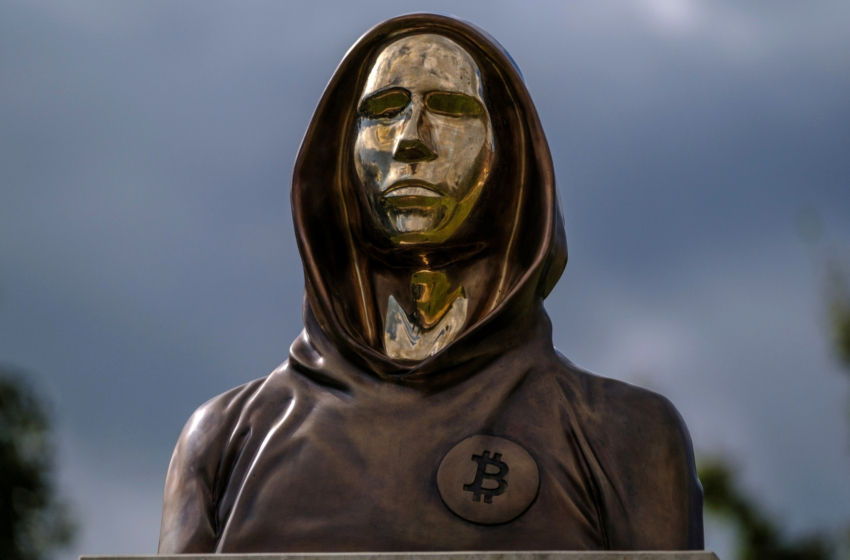
We know for sure that the creator of Bitcoin was someone named Satoshi Nakamoto, although everyone is pretty sure it was a pseudonym. It’s been a while since we had another grand reveal of the real person behind the dollar sign B symbol, so New York Times thrown in with a sprawling, exhaustive investigation that reveals that bitcoin’s true creator is… some guy named Adam? Perhaps?
The latest attempt solving it comes not only from New York Times but also from John Carreyrou, the author of Bad Blood. It’s the non-fiction investigative work that chronicled the rise and fall of Theranos, the Elizabeth Holmes company that promised to revolutionize blood-testing technology but was all a pack of lies. Carreyrou and the article’s co-author Dylan Freedman claim that Satoshi Nakamoto, the creator of Bitcoin and probably one of the richest people on the planet, is actually a British cryptographer named Adam Back.
Carreyrou’s case does not appear to be a bunch of hastily thrown nonsense. It appears to be built on years of research, linguistic analysis, and following a trail of Internet breadcrumbs that led directly to Back. Carreyrou points to early work on something called Hashcash, which is a precursor technology cited in Bitcoin’s original white paper. He also analyzes the writing style, including spelling characteristics and formatting habits, all of which seem consistent with Back’s own style. Working with data analysts, he narrowed tens of thousands of possible candidates to a single guy: Back.
Was the creator of Bitcoin, Satoshi Nakamoto, finally revealed?
So there’s all that CSI-style forensic analysis. There are also some circumstantial details that seem to fit a little too neatly, such as how Back was active in cryptographic circles that routinely discussed digital cash in the late 90s. They apparently went quiet when bitcoin was on the rise, only to reappear in the public eye after the enigmatic Satoshi apparently up and disappeared without a trace.
It’s a compelling case that I’m not entirely sure changes much other than satisfying our inherent curiosity to pull back the veil on mysterious identities to give us the satisfaction of the Scooby Doo ending we all desperately crave.
Back, on the other hand, does not agree with the study’s results. Because of course he wouldn’t, no matter what the results were. He has since repeatedly denied the claim, calling the evidence a mixture of coincidence and confirmation bias. Some online critics have criticized the research for producing a lot of circumstantial evidence without a smoking gun, and some suspect that Satoshi was probably not even a single person, but a small collective acting under the guise of a single person. That theory still suggests that Back could still be involved, but perhaps it was just one name among several.
A major problem with these kinds of studies is that the mystery can be intractable by design. Satoshi disappeared after publishing Bitcoin’s basic ideas, leaving no trace of a verifiable identity, but potentially controlling a wallet worth more than a million Bitcoins at the time, which is now worth ten billion. Obviously, people want to know if someone is in control of that treasure chest or if it has been abandoned. It’s all part of the grody mythology of Bitcoin, a mysterious digital currency with a creator as anonymous as the people who use it for drug and human trafficking.