



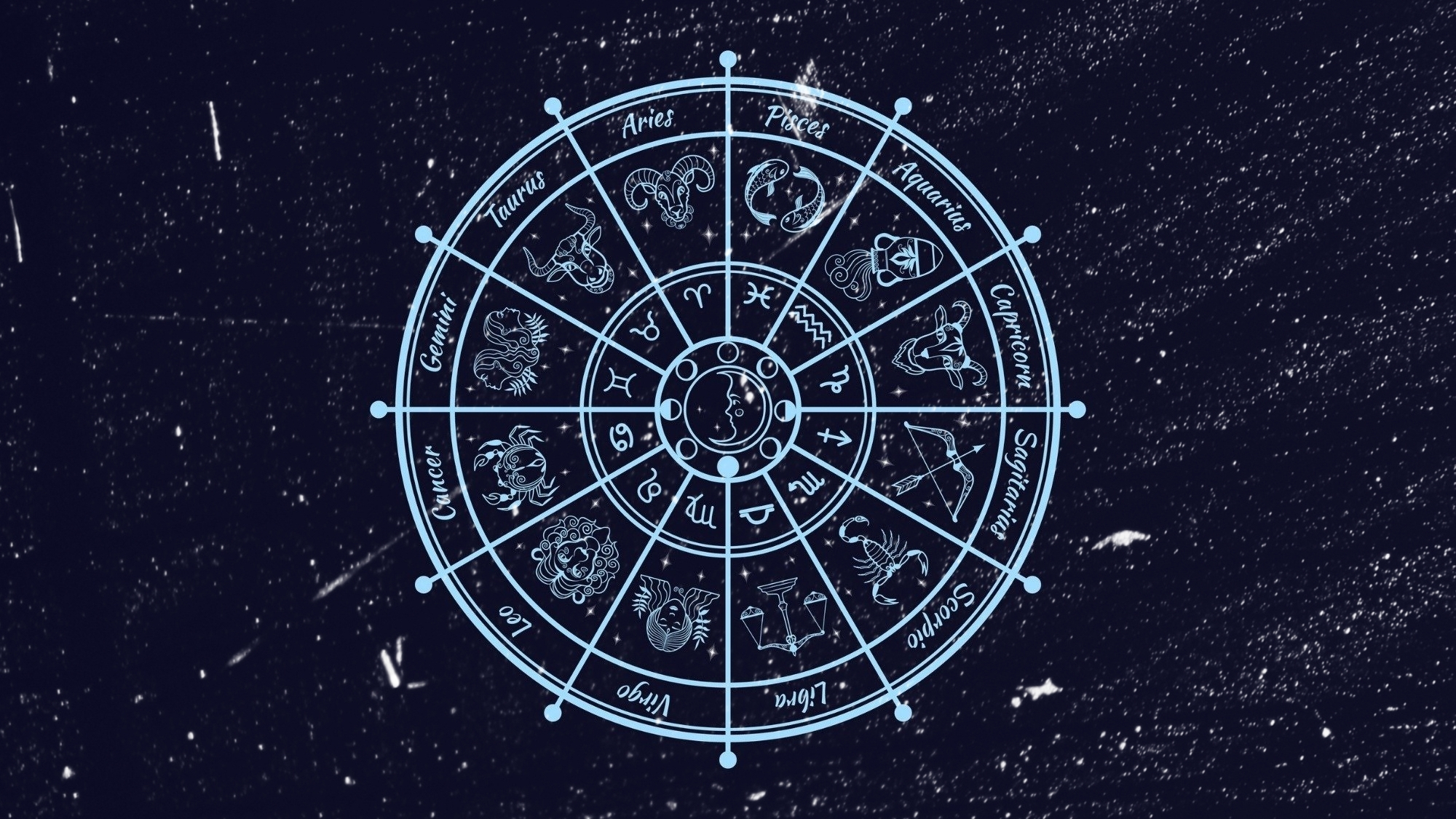
You probably know your sun sign. Maybe you’ve even graduated to knowing your moon and rising as well, meaning you’ve officially crossed the threshold into “astrology person” territory. But if you’ve ever pulled up your actual birth chart and stared at a circle filled with symbols, lines, and what looks like hieroglyphs — welcome. Let’s go through it.
First, draw your diagram
To get started, you need your date of birth, time of birth and place of birth. Of the three, it is the time that people travel the most. A few hours in either direction can reverse your Rising sign, changing the structure of the entire chart. Astro.com and CafeAstrology.com are both free. If you don’t have your birth time, noon serves as a stand-in; just know that some locations will be turned off. For the truly committed, there is something called birth chart correction, where an astrologer reverse-engineers your birth time based on major life events. Expensive, thorough and completely genuine.
What you’re actually looking at
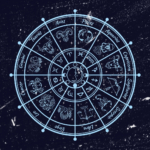
A birth chart is a snapshot of the heavens at the exact moment you were born – where each planet sat, in which sign and in which of the 12 houses. Think of it less like a personality quiz and more like a map. The planets are the players, the signs describe how they work, and the houses show where in your life that energy plays out. All three layers work together, which is why reducing yourself to just your sun sign is like reading the back of a book and calling it a review.
The big three – and why they are just the starting point
Most people know the “big three” – sun, moon and rising – and that’s a solid place to start.
- Sun sign: Your core identity, what you grow into, how you want to shine. This is the one associated with your birthday.
- Moon sign: Your emotional inner self, your instincts, what you need to feel safe. If your sun sign has never quite felt like you, your moon is probably the more accurate self-portrait.
- Rising Sign (Ascendant): How you come across before people really know you. It also determines the structure of your entire chart, which is why the time of birth matters so much.
From there you have Mercury (how you think and communicate), Venus (how you love and what you think is beautiful) and Mars (how you act and yes, what turns you on). These six rankings alone tell you a lot.

The 12 Houses
This is the part most people skip, and that’s exactly why they end up back on the Sun Sign carousel. The 12 houses each rule their own area of life, and where your planets fall is where their energy actually does something. Lots of action in one house means that part of life is rarely simple for you. Sometimes it’s a gift. Sometimes it’s just a lot.
Here’s a quick rundown of what each house covers:
- 1. House: Identity, personality and first impressions.
- 2. House: Money, earned income and self-esteem.
- 3. House: Communication, short trips, siblings and how your mind works day to day.
- 4. House: Home, family, emotional foundations and the private life you don’t put on the Internet.
- 5. House: Creativity, romance, fun and how to flirt.
- 6. House: Daily routines, health and work habits.
- 7. House: Long-term partnerships, both romantic and professional. Marriage lives here.
- 8th house: Sex, shared finances, transformation and the things that fundamentally change you.
- 9th house: Travel, philosophy, higher education and the beliefs that shape how you move through the world.
- 10th house: Career, public reputation and legacy. What you are known for or what you are building towards.
- 11th house: Friendships, community and the networks you move through. Your people, basically.
- 12th house: The Hidden Kingdom. Spirituality, the subconscious and the parts of yourself that operate below the surface. If you have planets here, there is a depth to how they express that others may not immediately see.
Empty houses are nice
One thing that traps people is seeing empty houses and assuming that something is missing in their lives. It isn’t. With 12 houses and only 10 planetary bodies, all have holes. An empty house just means that area of life is not the main role in this particular story.
Where to go from here
The rabbit hole goes further, fair warning. The Nodes of Fate map your karmic baggage and where you are headed. Midheaven is about heritage and public life. And the aspects, the angular relationship between your planets, is where the chart gets complicated because they show how your various planetary energies either cooperate or create friction.
Cosmopolitan describes the birth chart as your “cosmic DNA”. No two charts are identical, not even for twins born minutes apart. The chart doesn’t tell you exactly what’s going to happen to you, but it can tell you quite a bit about how you’re wired to experience it.