







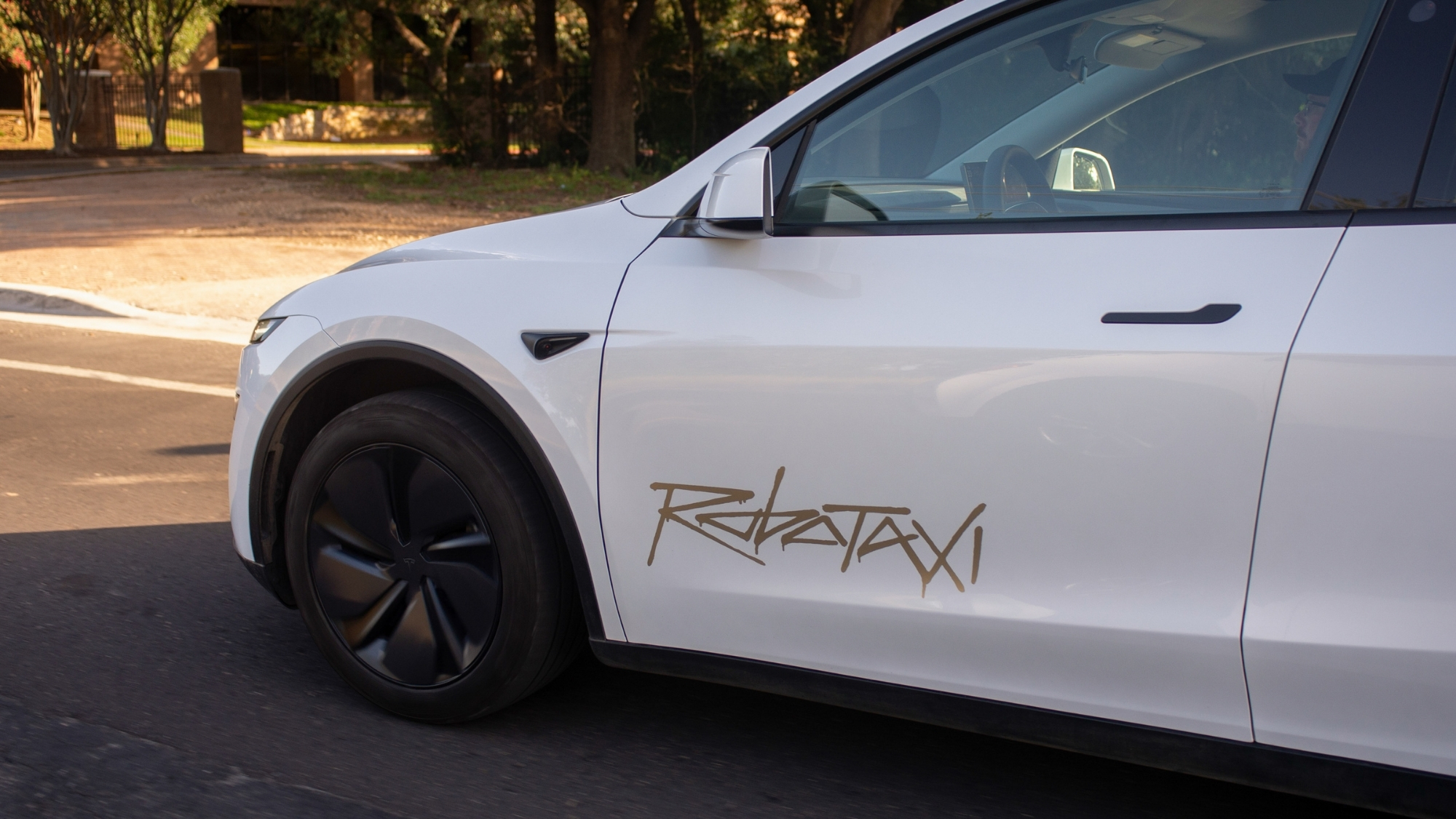
There may be a day when we are all ferried around in fully autonomous cars like Tom Cruise Minority report. But according to recent reporting from The cableTesla’s Robotaxis still relies heavily on remote human drivers. This merely gives passengers the illusion of autonomy. But in reality it is more of a complicated drone or puppet.
It’s not just Tesla, but it’s mostly Tesla.
Across the autonomous vehicle industry, companies like Waymo, Zoox, and Nuro all admit they rely on “remote assistance” teams, AKA people who step in when a car gets confused, stuck, or encounters something its software can’t calculate. But most of these companies seem to be making a real attempt to keep these vehicles as autonomous as possible, only using humans to advise the car instead of driving it.
Tesla gets cars driven directly by remote drivers. Just being RC cars with real people inside.
Your Tesla Robotaxi may not drive itself after all
In a now-published letter to US Senator Ed Markey, Tesla confirmed that its remote assistance operators can in rare cases take direct control of a robot axis. Based in Austin and Palo Alto, these operators can remotely control vehicles at low speeds, up to about 10 miles per hour, effectively stepping in when the system doesn’t know what else to do. While Tesla frames it as a last-resort safety measure, it’s a blatant admission that self-driving cars, or at least Tesla’s self-driving cars, can’t handle the obstacles and nuances of real-world driving.
In the world of autonomous vehicles, where the biggest breakthrough to mass acceptance depends on public trust built through a safety record, this distinction means a lot. Other companies go out of their way to ensure that their systems never completely relinquish control, mostly due to concerns about latency and limited visibility. Remotely driving a car puts the vehicle and its occupants into lag, something any gamer with a slow internet connection can attest to is quite disconcerting.
Markey is concerned about how little the public knows about the theater of Tesla’s Robotaxis. In general, neither company revealed how often human intervention is required to keep these things moving, a statistic that would likely reveal how close, or realistically, how very far, we are from truly autonomous vehicles. Experts interviewed by The cable suggests that this omission is deliberate because people who saw the actual numbers might cause the illusion to collapse.