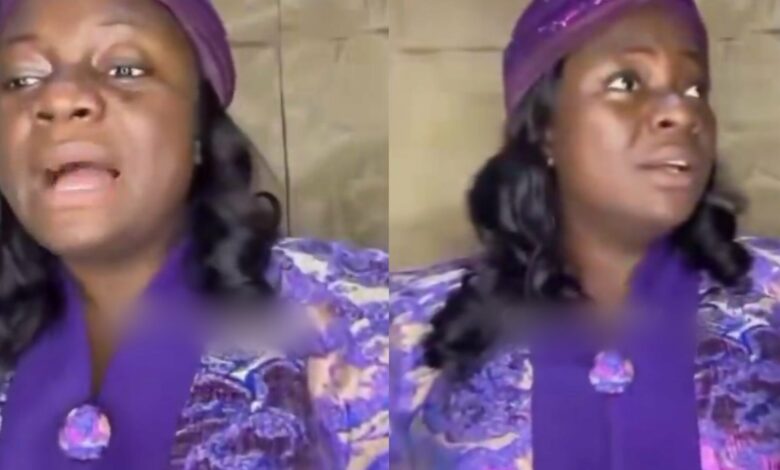
Gospel singer Adeyinka Alaseyori has urged Nigerians to intensify prayers for the country following recent cases of abducted children, speaking in Nigeria on Sunday amid growing public anxiety over insecurity.
The artist addressed the issue during a public appeal shared online, calling for spiritual support across the country for the affected families, security personnel and government leaders.
Invitation to joint prayer
Alaseyori said her message was prompted by public frustration and criticism over the handling of child abductions, stressing that prayer should unite citizens and not deepen political divisions.
She argued that national healing requires collective spiritual action, from leaders to ordinary households, and warned against politicizing grief at a sensitive time.
“So many people say the prayer they pray doesn’t work, but believe me, prayers do. Don’t let anyone exploit you for political purposes. From the president to the last person in Nigeria, we must pray.”
Safety, responsibility and restraint
Deepening the context, the singer highlighted the human cost borne by the security operatives deployed to rescue the victims, calling for compassion for the families of those breadwinners risk their lives in forest operations.
She said prayer complements, not replaces, institutional efforts.
“Those children are your children. They are my children. You can’t say that the president and security guards are not working. Sometimes they are close, and something just covers their eyes – that’s where prayer comes in.”
Her remarks echoed earlier public debates following high-profile kidnappings, including the 2014 case of the Chibok schoolgirls and subsequent incidents that have repeatedly prompted national scrutiny of security and civic responsibility.
As reactions spread across social media, supporters applauded her call for unity, while others echoed calls for accountability.
The exchange underscores Nigeria’s enduring tension between faith-based responses and demands for structural solutions to insecurity.
Watch the video below…
“We have to pray, you can’t say the president and our armed forces are not working, they are working. Maybe they sent security agents into the forest and something will just cover their eyes and not let them see the terrorists, that’s where prayers come in”
– gospel singer… pic.twitter.com/a6DOp5sJ8B
— Oyindamola🙄 (@dammiedammie35) June 1, 2026