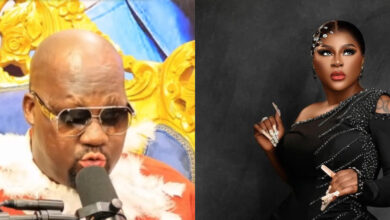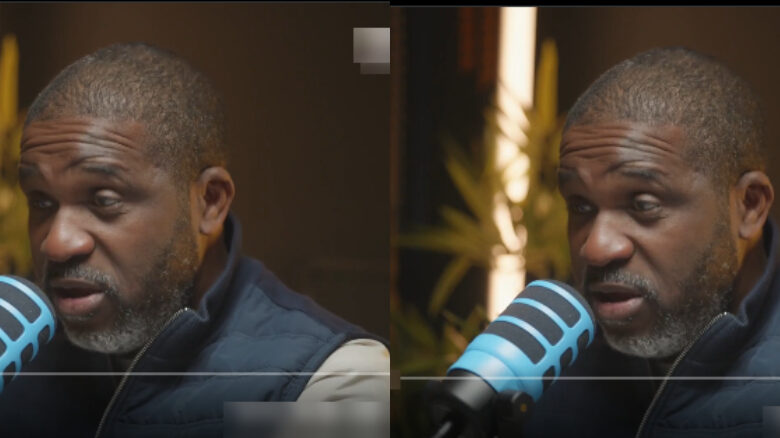
- Sola Kuti emphasizes that Nigeria’s political and economic issues stem from its system of governance and not just the leaders in power.
- He warns against the misconception that a change in leadership will automatically solve the country’s persistent problems.
- Kuti’s insights emphasize the need for systemic reform rather than just focusing on individual politicians.
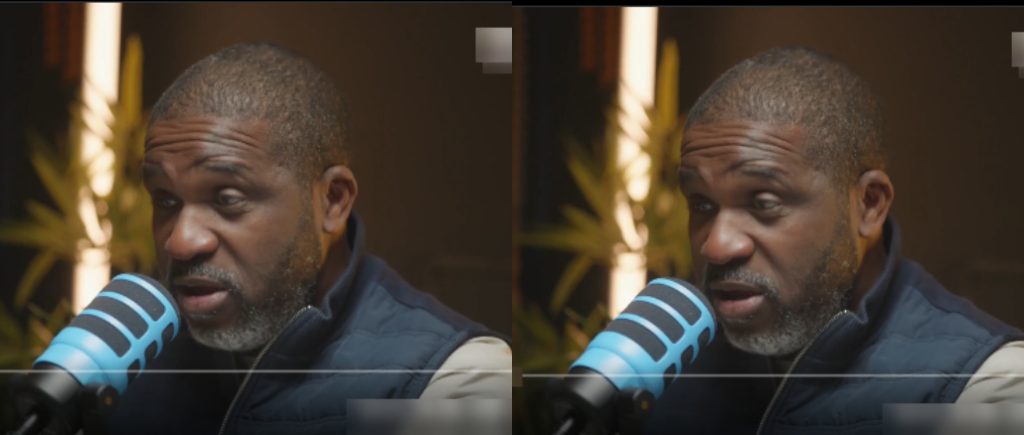
Media personality Sola Kuti said Nigeria’s political and economic struggles are largely a product of its system of governance and not personalities occupying public office.
Speaking during a debate on national issues, he cautioned against the belief that a simple change of leadership would automatically solve the country’s long-standing challenges.
Kuti drew a parallel between the current expectations surrounding Labor Party presidential candidate Peter Obi and the widespread optimism that greeted former President Muhammadu Buhari before he assumed office.
He recalled that Buhari enjoyed huge public support and was seen by many as the leader who would tackle corruption and solve the deep-rooted problems of governance.
However, Kuti noted that many Nigerians later felt disappointed, as the results of the Buhari administration did not live up to the high expectations placed on him.
In his view, Peter Obi is now viewed through a similar lens. “Peter Obi is just another Buhari to me,” he said during the conversation.
Kuti emphasized that the real problem lies in Nigeria’s political structure, which he described as fundamentally flawed and resistant to significant change.
According to him, even leaders with good intentions often struggle when they get into office because of entrenched interests and institutional constraints.
“The point I’m trying to make … is that the system, if the system is broken, there’s nothing you can do when you get there,” he explained.
He added that Nigerians tend to put too much emphasis on individual politicians while ignoring the deeper structural issues affecting governance and public service delivery.
Looking back on Buhari’s presidency, Kuti said the experience showed how difficult it can be for any leader to implement meaningful reforms within a weak system.
Despite his personal criticism of Buhari, he admitted that he was surprised by what he described as the former president’s inability to achieve meaningful change.
“No matter how much I didn’t like Buhari… I realized that a soul like him with such principles, under quotation marks, can enter the government and achieve absolutely nothing,” he said.
Kuti concluded that Nigeria’s progress will depend less on who becomes president and more on whether the country’s institutions are properly reformed.